
Omission Bias
What Is Omission Bias in Simple Terms?
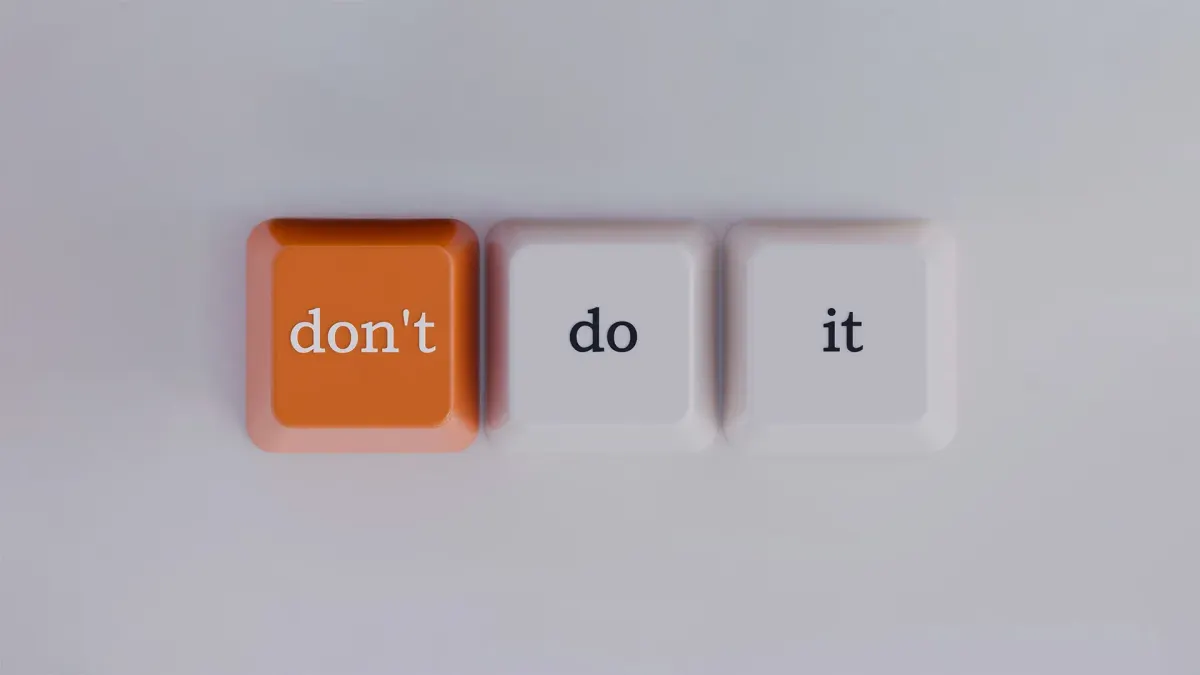
Omission bias is the tendency to judge harmful actions as worse than equally harmful inactions, even when the outcome is the same.
Omission Bias in Real Life
- Technically, they did not lie about it. In many situations, individuals deliberately hide information they should share, whether in relationships, business, or everyday life. An easy example is selling a product that you know has a problem but choosing not to mention it.
The reasoning is often: “Technically, I did not lie, so it is not my fault” while still withholding important information. - Financial Decisions. Many individuals keep their money in savings accounts while fully aware that inflation is steadily eroding its value. They avoid investing because a financial loss caused by an active mistake often feels more painful than money lost through inaction.
In other words, losses resulting from a decision they consciously made tend to feel worse than losses caused by a decision they never made at all. - Someone Else’s Mistake. A cashier gives you far more change than they should have. You notice the mistake but choose not to mention it and simply keep the money.
In your mind, you have not actively stolen the money in the traditional sense at least, because it is the cashier’s mistake. Yet you are benefiting from a mistake you knowingly chose not to mention.
Conclusion
Inaction can also carry weight and responsibility. However, we often feel that a negative outcome resulting from our actions is worse than one resulting from our inaction.
Enjoyed this?
You'll love the newsletter.