
Diminishing Marginal Utility
What Is Diminishing Marginal Utility in Simple Terms?
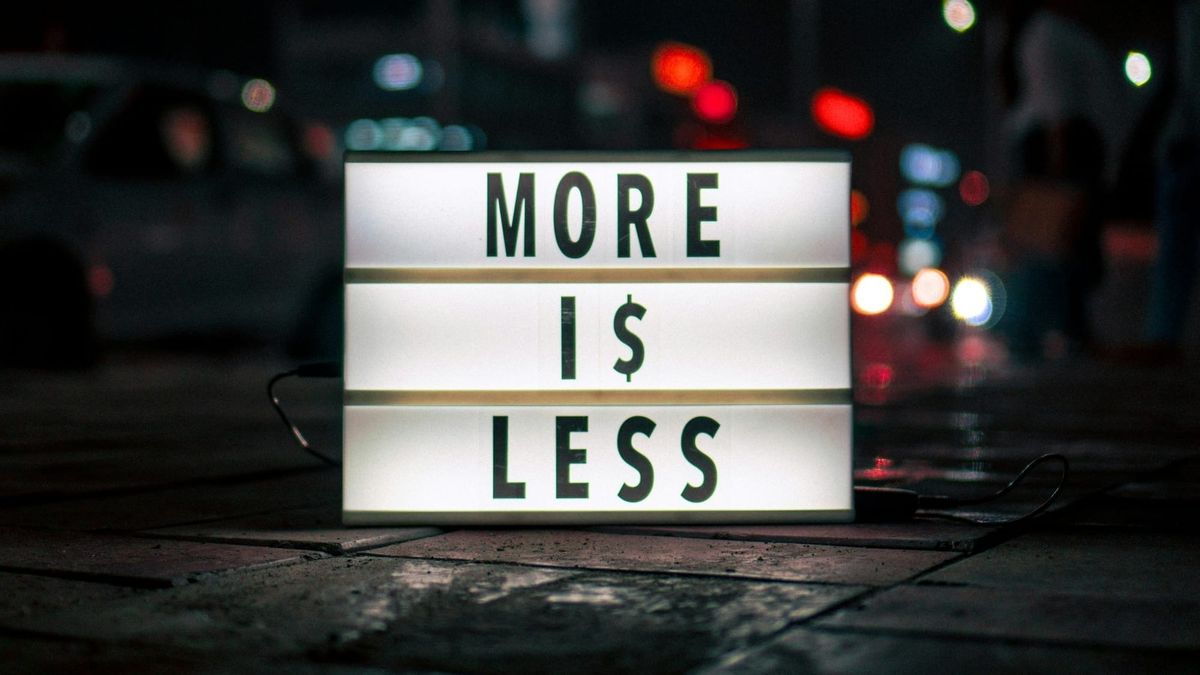
Diminishing Marginal Utility is a concept that describes how the satisfaction or utility you get from consuming something decreases as you consume more of it.
Diminishing Marginal Utility: Real-Life Examples
One of the simplest illustrations of diminishing marginal utility is the experience of hearing a favourite song for the first time versus the hundredth. That initial listen carries a sense of discovery and wonder that no subsequent play can fully replicate.
The same principle applies to food, the first slice of pizza is deeply satisfying, while the last feels like little more than obligation. Or consider childhood Christmases, the magic of the first feels incomparable to the twenty-fifth.
We often say that things were simply better when we were young. Sometimes that is true. But more often, what we are really remembering is the novelty of the first encounter. Over time, repeated consumption gradually erodes the satisfaction that an experience once delivered.
How Companies Leverage Diminishing Marginal Utility
Businesses are well aware of this phenomenon and design their pricing strategies accordingly. A pizzeria, for instance, might charge $20 for the first pizza and $10 for the second.
This is not random, it reflects the consumer's reality. The second pizza, being identical to the first, simply does not deliver the same level of satisfaction. A lower price aligns with that lower satisfaction, making the offer feel fair and encouraging the customer to buy more than they otherwise would.
Conclusion
The more we consume of something, the less satisfaction each additional unit provides. This is diminishing marginal utility and it shapes both our personal experiences and the commercial world around us.
Enjoyed this article?
You'll love the newsletter.